
Minipuzzles Go!
Puzztime!Trivia
4.63.00 Reviews
- Version
- 0.9.0
- Installs
- 10.00K
- Age Rating
- Everyone
Screenshots
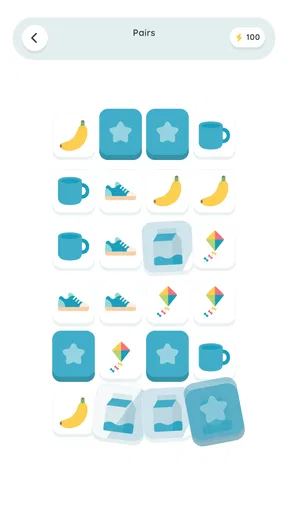
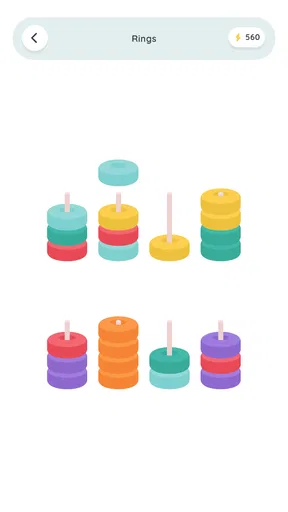
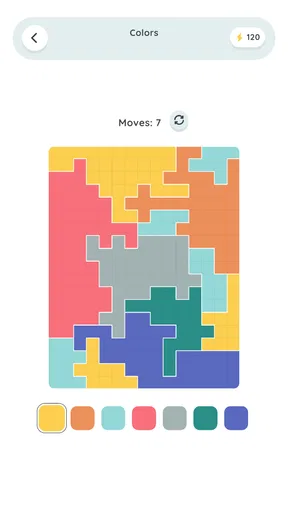
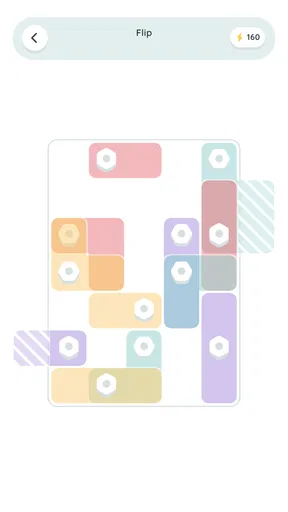
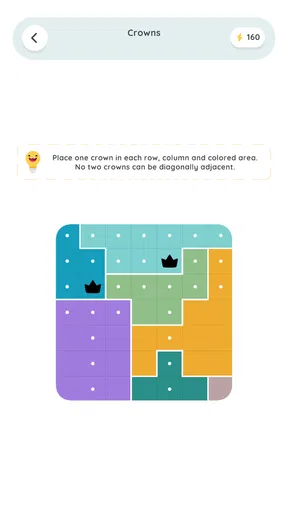
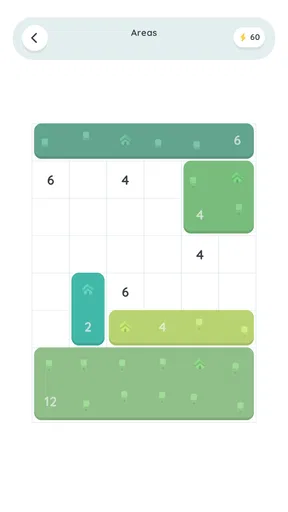

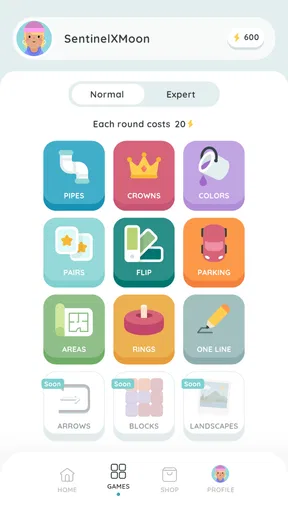
Our Review of Minipuzzles Go!
 Analysis by Appyee
I approached Minipuzzles Go! as the kind of trivia game you open when you want a small mental break rather than a long gaming session. Its focus is simple: short puzzles and brain teasers that are easy to fit between everyday tasks. That makes it appealing for a first-time player who wants something lighter than a full strategy game, but still wants to feel engaged instead of simply scrolling.
The game comes from Puzztime! and sits in the trivia category. It is free to install, rated for Everyone, and currently listed as version 0.9.0. The store description points toward relaxing puzzles and daily challenges, while the short store line presents it as a collection of mini puzzles. In practice, that positioning matters: I would treat it as a quick-thinking companion, not as a deep campaign with a large narrative or a competitive esports-style experience.
My first impression is that the strongest reason to try it is convenience. A small puzzle can give you a clear beginning and end, which works well when you have only a few minutes. The trade-off is that players looking for elaborate progression, a story, or a highly demanding challenge may find the format too modest. The best way to judge it is by the quality of its short sessions, not by expecting a full-sized puzzle adventure.
Getting started without overthinking the game
I’d start by treating this as a small, self-contained puzzle break, not a game you need to master before enjoying. In this section, I’ll focus on how to approach the opening moments with a calm pace and make the first answer feel satisfying; from there, it’s easier to decide how the game fits into an ordinary day.
What the first session feels like
For a new player, the most useful mindset is to begin with curiosity rather than pressure. Trivia games can make people feel that every answer has to be immediate, but a mini-puzzle format is more enjoyable when you give yourself a moment to inspect the wording. I found that the short format encourages a different rhythm from ordinary quiz apps: instead of settling into a long sequence of questions, you concentrate on one small problem, make a choice, and move on.
That rhythm makes the game suitable for several everyday situations. I can imagine opening it while waiting for an appointment, taking a short break from work, or winding down before bed. It also works for someone who wants a gentle way to wake up the brain without committing to a long play session. Because the game is aimed at Everyone, it is also a reasonable option for mixed-age households, provided each player is comfortable with the level of general knowledge the individual puzzles require.
There is a useful distinction between relaxing and effortless here. A puzzle can be relaxing because it is short and contained, while still asking you to notice wording, recall information, or make a small deduction. That balance is what gives this game more value than simply filling time. If you rush through every prompt, you may miss the satisfying part: understanding why an answer fits rather than merely tapping until something works.
Installing and choosing the right expectations
The game is free, so the initial decision is relatively easy. You can try the basic experience without paying at the point of installation. The listing also includes optional in-app purchases ranging from $0.99 to $11.99 per item, so I would approach the game with a simple rule: play first, decide later whether any optional purchase genuinely improves your experience.
That approach is especially sensible for a casual trivia title. You do not need to decide in advance that you will play every day or spend money to make the download worthwhile. Give yourself a few sessions to see whether the puzzle length, wording, and level of challenge fit your habits. If you enjoy short mental exercises, the free starting point is enough to make that test practical.
The game has reached 10K+ installs and holds an average rating of 4.6 from 188 ratings. Those figures suggest that it has found an interested early audience, but I would still treat the experience as one to evaluate personally. A high average can tell you that many players like the concept; it cannot tell you whether the particular puzzle style matches your preferred difficulty or whether daily play will hold your attention.
Your first meaningful success
My advice for the first useful play session is not to chase speed. Read the entire prompt, identify exactly what it is asking, and separate clues from distracting wording. In a short trivia game, a single word can change the intended interpretation. Taking that extra second is a better introduction than guessing quickly and then feeling that the game is unfair.
When you reach a puzzle that you do not know immediately, try a three-step process. First, restate the question in your own words. Second, remove answers that clearly conflict with the wording. Third, choose between the remaining possibilities based on the clue rather than on a vague feeling. This method is helpful because it turns uncertainty into a small reasoning task, which is more rewarding than random tapping.
A realistic example would be using the game during a short afternoon break. I would open it with the goal of completing one or two challenges, not of clearing an entire session. If the first puzzle goes well, I get a small sense of progress. If the next one is difficult, I can stop without having lost a large block of time. That low commitment is one of the title’s practical strengths.
Daily challenges deserve a slightly different approach. Rather than treating them as a test of your intelligence, use them as a routine checkpoint. Playing at roughly the same time can make the challenge feel like a small habit, while keeping the session short prevents it from becoming another obligation. If you miss a day, I would simply return when convenient instead of letting the idea of maintaining a perfect routine reduce the fun.
Where new players may hesitate
The most common confusion in a compact puzzle game is understanding what kind of answer the game expects. A prompt may look like a memory question, but the important part may be a logical relationship or a precise interpretation of the wording. I recommend resisting the urge to classify every puzzle too quickly. Read it first, then decide whether it is testing recall, observation, language, or deduction.
Another possible friction point is difficulty that feels inconsistent from one puzzle to the next. That is normal for a trivia collection: a question based on familiar knowledge may be immediate, while another can depend on a subject you rarely encounter. I would not use one difficult puzzle as evidence that the whole game is too hard. Instead, notice whether the challenge feels learnable after reflection. A good sign is when you understand the intended answer afterward, even if you did not get it instantly.
Players can also confuse a relaxing pace with a lack of depth. Mini puzzles are deliberately small, so they are not designed to replace a long-form brain-training program or a detailed quiz league. Their value comes from repeated, manageable moments of attention. If you want a large question bank with extensive categories, timed rankings, or a strong multiplayer structure, a more specialized trivia app may suit you better.
Using the format more intelligently
One non-obvious advantage of short puzzles is that they can reveal when your attention is poor. If you repeatedly make mistakes on questions you normally understand, the issue may be that you are playing while distracted or tired. I would use that as a signal to pause rather than as a reason to keep forcing answers. The game works better as a brief reset than as a test you must endure.
A second useful habit is to keep a mental note of the type of mistake you make. Did you misread the prompt, forget a fact, or choose too quickly? These are different problems, and noticing the difference makes the next session more productive. A player who rushes can improve by slowing down; a player who lacks a fact may benefit simply from treating the answer as something learned rather than something embarrassing.
A third trade-off concerns daily play. Daily challenges can provide structure, but they can also make a casual game feel like a responsibility. I would keep the routine flexible: use the challenge as an invitation, not a demand. This is particularly important for younger players or families, where a simple puzzle game should remain a shared diversion rather than another source of pressure.
The game’s free entry also changes how I would recommend it to friends. I would suggest trying it during a normal day rather than making a special event of it. Play one short session when you are naturally waiting or resting. That gives you a more honest sense of whether the format fits your life. Some games look appealing in a store description but become inconvenient once opened; this one is best judged by whether its small sessions feel easy to return to.
Who will enjoy it most
I think Minipuzzles Go! is a good match for players who like general trivia but do not always have time for a long quiz. It should also appeal to people who enjoy wordplay, light deduction, and the satisfaction of solving something quickly. Families may appreciate the Everyone rating and the approachable premise, although the exact enjoyment will still depend on each player’s background knowledge.
It is less suitable for someone who wants a clearly defined adventure, character development, or a complex system to master. It may also disappoint players who prefer every question to be tightly matched to a chosen subject, because a broad trivia format naturally moves between areas of knowledge. Likewise, if your main motivation is direct competition against friends, you may prefer a game built around live matches or visible rankings rather than short individual challenges.
Compared with ordinary trivia apps, this title’s appeal is its compact scale and calmer presentation. Compared with traditional brain-training games, it appears more focused on solving individual puzzles than on building a formal training plan. Compared with daily newspaper puzzles, it offers the convenience of a phone-based session, while giving up some of the slower, more reflective feeling of solving on paper. I would choose it when I want accessibility and variety, not when I want a comprehensive course in logic or knowledge.
What to do after the first few sessions
After you have completed enough puzzles to understand your personal rhythm, decide what you want from the game. If you enjoy the quick wins, keep sessions deliberately short and use the daily challenge as your regular anchor. If you prefer learning, spend a little more time reviewing why an answer made sense instead of immediately starting the next puzzle. That small change turns the game from a sequence of taps into a more thoughtful exercise.
If you are considering an in-app purchase, wait until you can name the specific problem you want it to solve. Do not buy simply because a difficult puzzle made you impatient. Optional spending is easier to judge when you already know that you enjoy the core experience and understand how often you will return. With items priced from $0.99 to $11.99, setting a personal limit before purchasing is a sensible way to keep a free casual game within your budget.
The current version is 0.9.0, which also makes me view the game as something worth revisiting rather than judging only by one brief session. Early versions can change as the developer refines the experience, so I would keep expectations practical and pay attention to how the game feels over time. The important question is not whether every puzzle is perfect; it is whether the overall loop remains pleasant enough to earn another few minutes of your day.
My final recommendation is cautious but positive. Minipuzzles Go! is at its best when you want a friendly, low-commitment trivia break with a little genuine thinking involved. I would recommend it to a friend who enjoys small challenges, daily routines, and casual knowledge games. I would skip it in favor of a deeper alternative if I wanted a campaign, advanced statistics, specialist subjects, or serious head-to-head competition.
For a first-time user, the path is reassuringly simple: install the free game, begin with one puzzle, read carefully, and let the first successful answer establish the pace. Do not worry about finishing a large session or proving anything. If the short format leaves you feeling pleasantly sharper rather than mentally drained, the game has probably found its place in your routine. If it feels too light after several attempts, that is useful information too; this is a compact trivia companion, and its strengths are tied directly to that modest scope.
Verdict
Strengths of Minipuzzles Go!
- Quick puzzles are ideal for short breaks or commutes.
- Simple controls make the game accessible to most players.
- A wide variety of puzzle types helps keep gameplay fresh.
- Offline play is convenient when you have no internet connection.
- Gradual difficulty gives beginners room to improve their skills.
Limitations of Minipuzzles Go!
- Some puzzles may feel too easy for experienced players.
- Hints or extra attempts may be limited without optional purchases.
- Repeated puzzle formats can become familiar over longer sessions.
- The small-screen layout may feel cramped on some phones.
- Progression may lack depth for players seeking a long-term challenge.
Other Releases by Puzztime!
View All
Minipuzzles - Daily Challenges
Trivia4.5

Pastimes - Mini Games
Trivia4.4
Similar Picks in This Category
View All
Millionaire 2026 Quiz & Trivia
Quiz & Trivia Games by Submarine Apps4.5

Brain Test 2: Tricky Stories
Unico Studio4.7

Trivia Crack: Brain Quiz Games
etermax4.4

QuizzLand. Quiz & Trivia game
Quiz & Trivia Games by Mno Go Apps4.8

Brain Test: Tricky Puzzles
Unico Studio4.7

Logo Quiz
bubble quiz games4.5
Frequently Asked Questions
What is Minipuzzles Go!?
Minipuzzles Go! is a casual puzzle game built around short, easy-to-start challenges that can be played whenever you have a few spare minutes. Its compact format makes it suitable for quick sessions, while the variety of mini-puzzles helps keep the experience from feeling repetitive too quickly. It is aimed at players who prefer relaxed entertainment rather than a long story or complex strategy system.
Is Minipuzzles Go! free to download and play?
Minipuzzles Go! can generally be downloaded without an upfront purchase, but the exact free content may depend on the version available for your device. As with many mobile puzzle games, optional advertisements, rewarded videos, or in-app purchases may be included. Before installing, check the store listing for current pricing, advertising details, and whether any features or puzzle packs require payment.
Does Minipuzzles Go! work offline?
Many of the basic puzzles may be playable without a constant internet connection, which is useful for travel, commuting, or areas with weak reception. However, online access can still be required for advertisements, rewards, updates, cloud features, analytics, or purchases. It is best to launch the game once while connected, then test the puzzles in airplane mode to confirm which functions remain available.
Is Minipuzzles Go! suitable for children?
The simple puzzle format may be appropriate for children and families, especially because it does not appear to depend on complicated controls or advanced gaming knowledge. Nevertheless, parents should review the age rating, advertising policy, and in-app purchase settings before allowing unsupervised play. If the game displays third-party ads or includes online features, parental controls are recommended for younger users.
What devices are compatible with Minipuzzles Go!?
Compatibility depends on the edition of Minipuzzles Go! available through the Google Play Store or Apple App Store. Most recent Android and iOS phones and tablets should meet the basic requirements, but older devices may experience slower loading, reduced performance, or installation restrictions. Check the official store page for the required operating-system version, available storage, and any device-specific limitations before downloading.
Play our best games!


